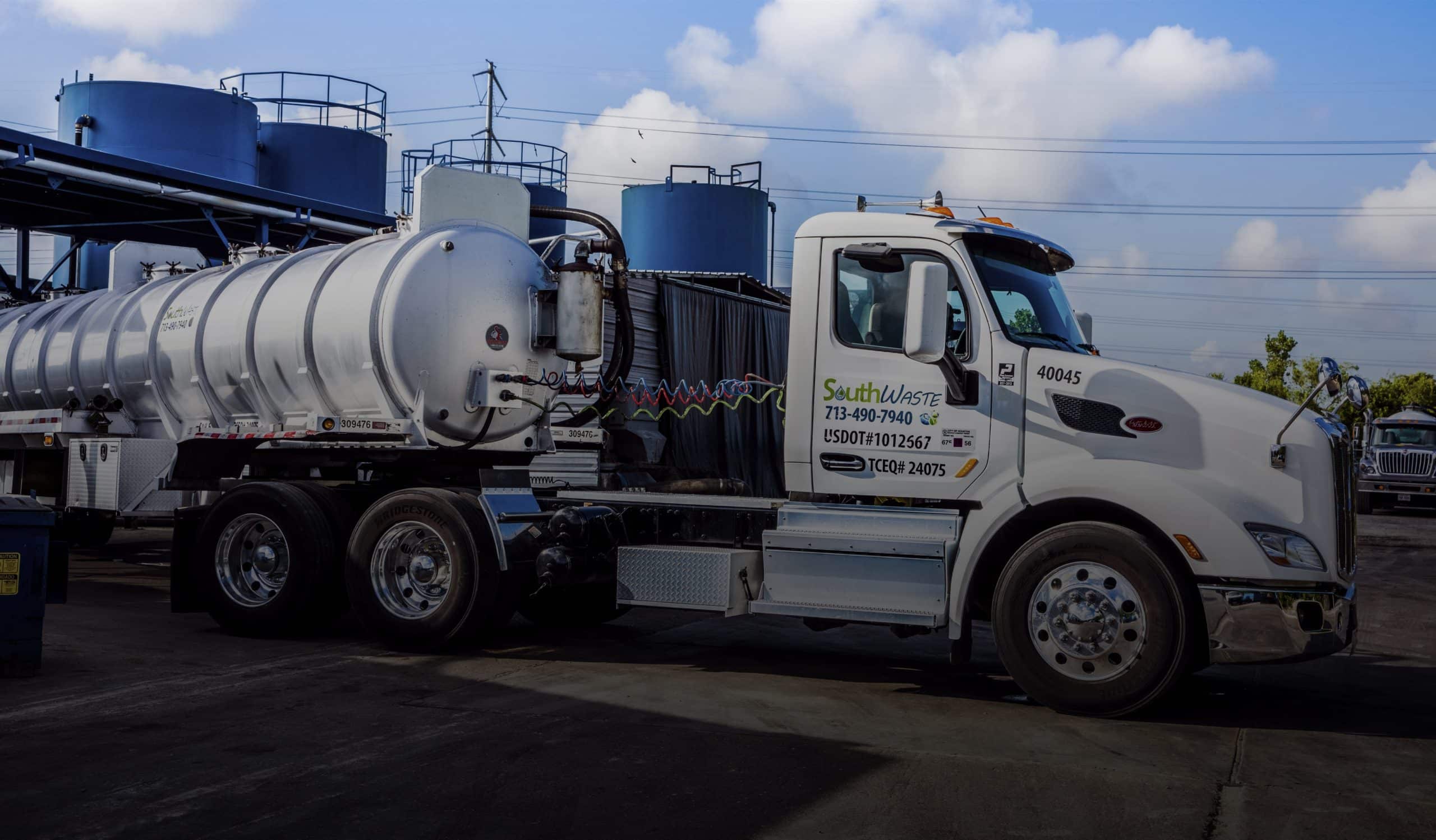
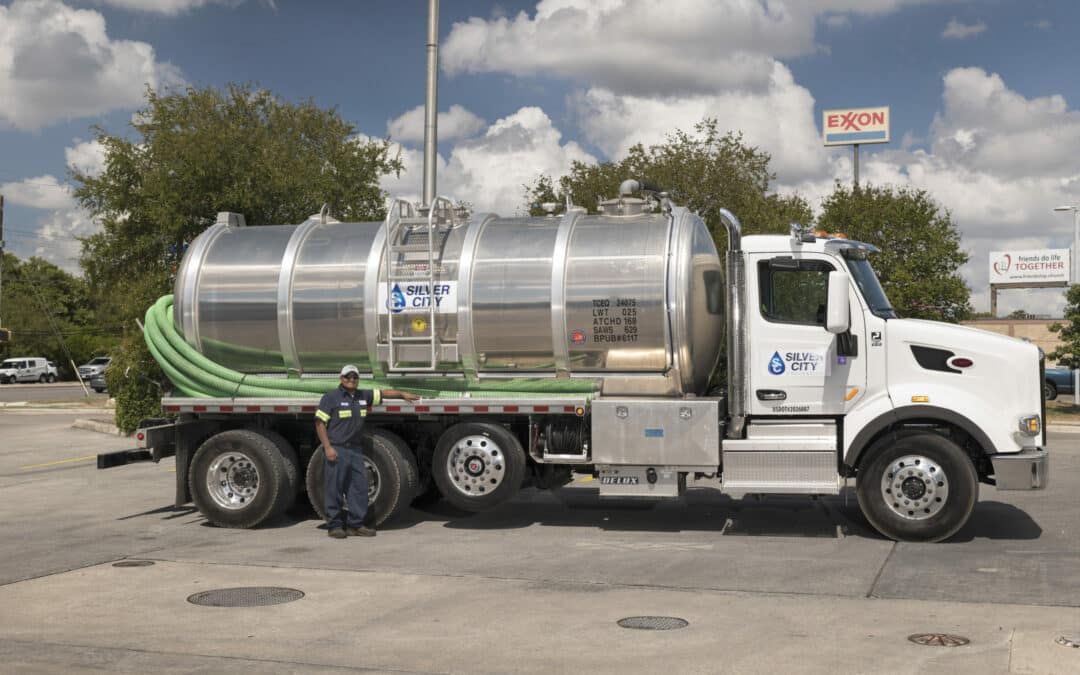
For hotel operations managers, few issues threaten guest experience as quickly as a sewer or “rotten-egg” smell drifting into public spaces. The good news: most hotel odors trace back to predictable sources—the kitchen grease trap, the lift station/wet well, floor drains with dry P-traps, or the laundry lint interceptor—and are preventable with the proper maintenance rhythm.
Below are practical, hotel-ready best practices you can implement now, plus how Southwaste can help with vacuum-truck pumping, hydro jetting, and interceptor maintenance across Texas (San Antonio, Houston, Dallas–Fort Worth) and Florida (Orlando).
Why hotel odors happen (and where to look first)
- Kitchen grease trap: Fats, oils, grease (FOG) and food solids build up. Once the combined grease cap and settled solids exceed 25% of the trap’s liquid depth (the “25% rule”), efficiency drops and odors rise.
- Lift station/wet well: Anaerobic conditions and scum blankets create hydrogen sulfide (H2S) odors that can migrate through vents or nearby access points.
- Floor drains and P-traps: Dry or siphoned traps lose their water seal, allowing sewer gas into kitchens, banquets, or the lobby.
- Laundry lint interceptor: Fiber-rich sludge turns septic, causing musty or sour odors that travel through mechanical spaces.
Grease trap best practices for hotels
- Set frequency by outlets and volume: Consider the main kitchen, banquets, lobby lounge, pool bar, and grab-and-go. More outlets = shorter intervals.
- Follow the 25% rule: If grease plus solids reach 25% of the trap’s liquid depth, it’s time to pump—regardless of calendar.
- Do a quick dip test: Monthly dip-stick checks help you adjust cadence before odors start.
- Choose full-service pump-outs: Request complete evacuation, scrape, and rinse using a vacuum truck to remove FOG and settled solids (not just the grease cap).
- Bundle hydro jetting when needed: Jetting upstream and downstream lines reduces residue that can re-seed odors and cause slow drains.
- Keep lids tight: Inspect gaskets and bolts on exterior trap lids; replace worn gaskets to reduce odor escape.
- Record keeping: Save manifests/trip tickets and service dates. Use them to refine your schedule and show inspectors your compliance.
Lift station odor control essentials
- Clean the wet well on a schedule: Regular vacuum-truck cleaning removes scum blankets, rags, and solids that drive H2S odors and corrosion.
- Check components: Verify pump operation, floats, rails, check valves, and control panels. Poor pump performance increases detention time and odor.
- Venting and seals: Confirm proper venting and intact hatch gaskets so odors don’t leak into guest areas or loading docks.
- Equalize flow where possible: Staggering high-load discharges (when practical) reduces long stagnant periods.
- Document alarms and trends: Frequent alarms or long pump run times can indicate excessive solids or failing equipment—often linked to odor complaints.
Laundry and lint interceptor basics
- Don’t overlook laundry: Hotel Lint interceptors capture fiber and organic load that can go septic and smell.
- Match frequency to volume: Full-service hotels with on-site laundry typically require more frequent cleaning than limited-service properties.
- Keep strainers in place: Housekeeping and engineering teams should confirm screens and baskets are present and intact.
A simple cadence guide for hotels
- Limited-service hotel (continental breakfast only), standard in-ground grease trap: 60–90 days
- Full-service hotel with restaurant/bar: clean out the grease trap every 30–60 days
- Full-service with banquet/catering volume or multiple outlets: requires a grease trap cleaning every 14–45 days
- Lift station/wet well (hotel with F&B and laundry): Inspect monthly; vacuum-truck cleaning typically every 1–3 months depending on load
- Laundry lint interceptor: 30–90 days based on laundry hours and occupancy
Note: Shorten intervals for heavy frying, BBQ concepts, frequent banquets, or smaller traps. Extend only if dip tests consistently show you’re under 25% and there are no odors.
Your 30-minute odor response playbook
- Check nearby floor drains: If dry, pour water to re-establish P-traps. Add a small amount of food-safe trap seal primer if your facility uses it.
- Inspect trap and lift station lids: Ensure lids are seated and gaskets intact; look for obvious leaks or debris holding lids ajar.
- Review recent alarms: If the lift station has recent high-level or power issues, note them for your service partner.
- Walk the air path: Odors often travel through dock doors, corridors, or mechanical chases—this helps pinpoint the source.
- Log and escalate: Record time, location, and conditions; schedule service if your dip test is near 25% or if the wet well shows visible scum/solids.
FAQs
What causes hotel grease trap odors?
FOG and food solids exceeding the 25% threshold, degraded lid gaskets, or upstream buildup in kitchen lines. Regular vacuum-truck pump-outs and periodic hydro jetting address the root cause.
How often should a hotel lift station be cleaned?
Many full-service hotels benefit from monthly inspections and cleaning every 1–3 months, depending on F&B and laundry load. Increase frequency if you see scum blankets, rags, or frequent alarms.
Can I fix odors with additives?
Odor-masking or pour-in additives rarely solve the root cause and can interfere with treatment systems. Mechanical cleaning and line maintenance are the most reliable solutions.
Will service disrupt guests?
With coordinated scheduling and tidy work practices, service can be completed with minimal impact. We’ll plan around your event calendar and peak periods.
What records should we keep?
Maintain manifests/trip tickets, dip test results, alarm logs, and service dates. These help optimize frequency and demonstrate compliance.
Is Your Hotel Experiencing an Odor? Call Southwaste Disposal
Guest-impacting odors aren’t a mystery—they’re a maintenance issue. With a consistent cadence aligned to the 25% rule, complete vacuum‑truck pump‑outs, periodic hydro jetting, and attention to lift stations and lint interceptors, you can keep kitchens, back‑of‑house, and public spaces smelling clean and guest‑ready.
Southwaste makes it straightforward for hotel teams across Texas and Florida. One partner for:
- Grease trap pumping (full evacuation, scrape, rinse via vacuum trucks)
- Lift station cleaning and maintenance
- Hydro jetting for drain lines
- Lint interceptor service for on‑site laundry
We’ll right‑size your schedule to your outlets, banquet volume, and occupancy, then keep you on track with clear communication and service documentation—so you spend less time chasing odors and more time delighting guests.
Operate in San Antonio, Houston, Dallas–Fort Worth, or Orlando? Request service. We’ll assess your site and develop a hotel‑ready plan to prevent odors before they reach the lobby.