Lift stations are the quiet workhorses of wastewater systems—until a 2 a.m. alarm turns a hidden hiccup into a costly crisis. A single failure can ripple into backups, sanitary sewer overflows, environmental fines, angry tenants or customers, and frantic emergency callouts that blow up budgets and schedules.
The truth is, most lift station failures don’t come out of nowhere. They build slowly from predictable culprits: ragging and wipes, grease and grit, sensor drift, corroded hardware, control faults, and power anomalies. The good news? With the right mix of preventive maintenance, real-time monitoring, and smart operating practices, these risks can be dramatically reduced.
In this article, we break down the common failure modes and the practical steps to avoid them—wet well hygiene and debris control, grease management, condition-based maintenance, redundancy and spares, storm readiness, and data-driven alarms that catch small issues before they become big ones. Whether you manage a municipal network or a high-demand commercial site, you’ll find actionable tactics to keep flow moving, protect budgets, and stay in compliance. The best emergency is the one you never have.
Understanding Lift Station Operations and Their Importance
Lift stations play a crucial role in urban infrastructure. They transport wastewater where gravity flow is impossible. By elevating sewage, they aid in its efficient movement through the sewer system.
Without lift stations, many low-lying areas would face waste accumulation. This could result in sanitation issues and public health concerns. They help keep homes and businesses free from wastewater problems.
Key components of lift stations include pumps, motors, and control systems. Pumps move wastewater, while control panels manage operation schedules. Motors provide the necessary power to the pumps.
Functions of Lift Stations:
- Transporting wastewater from lower to higher points
- Maintaining continuous flow in the sewer system
- Reducing the risk of blockages and sewage backups
These functions highlight the importance of keeping lift stations operational. Regular maintenance helps prevent failures that can lead to disruptions. Understanding their operation is the first step to ensuring their reliability and efficiency.
Common Lift Station Issues: What Causes Them and How to Prevent Costly Failures
Lift stations keep wastewater moving, but a handful of predictable problems cause most emergency callouts, overflows, and budget-busting repairs. Understanding these common issues—and addressing them before they snowball—can dramatically improve uptime, safety, and compliance for commercial and industrial sites.
The first troublemakers are non‑dispersible wipes and rags. These stringy materials wrap pumps, block volutes, and jam check valves, leading to high amps, thermal trips, and rising wet‑well levels even with pumps “on.” Pair upstream screening or grinder/chopper pumps with routine wet‑well cleaning to stay ahead of ragging, and consider smart anti‑ragging run routines where controls allow.
Grease (FOG) is a close second. In busy kitchens or OPLs, grease floats and congeals into a scum cap that traps debris and fouls floats and pressure transducers. The symptoms are classic: false level readings, short‑cycling, dry‑running, and persistent odors. The solution has two parts. First, we need to enforce maintenance of grease traps. Second, we should schedule regular pump-outs, skimming, and hydro jetting of influent lines. This will help keep the flow paths clear.
Grit, sand, and scale quietly erode performance. Abrasives wear impellers, reduce capacity, and settle in the wet well, shrinking effective volume. You’ll notice reduced flow at normal amps and more vibration. Routine vacuum removal, inspections, and timely impeller/nozzle replacements preserve efficiency and extend equipment life.
Sensors and floats are small components with big consequences. Grease, debris, and cable tangles cause drift and failures that trigger nuisance alarms or missed starts. Redundant sensing—pressure transducer plus backup floats—combined with cleaning, cable management, and periodic calibration provides inexpensive insurance.
Pumps themselves can fail from seal leaks, bearing wear, and cavitation or air binding. Watch run time, starts per hour, and amperage trends to spot early warning signs. Correct level setpoints to maintain NPSH, vent lines to prevent air locking, and keep seal/bearing PM kits and spares on hand to shorten downtime.
Additional Things To Take Into Consideration
Don’t overlook valves and force mains. Sticking or leaking check valves cause reverse flow, water hammer, and short cycling. Air pockets in the force main reduce capacity, especially if air release valves are neglected. Exercise and rebuild valves on schedule, maintain ARVs at high points, and consider periodic pigging or jetting where the system allows.
Electrical and controls issues are another common root cause. Phase loss, voltage sags, and mis‑tuned VFDs trip overloads and overheat motors. Corroded enclosures, failed I/O, and intermittent radios or modems can bury you in false alarms—or worse, silence the real ones. Use proper surge and phase protection, keep NEMA‑rated enclosures dry with heaters/dehumidifiers, test alarms and telemetry routinely, and load‑test generators and ATS units on a defined cadence.
Hydrogen sulfide (H2S) drives corrosion and odor complaints. Over time it degrades concrete, rails, cable jackets, and panel components. Improve ventilation, deploy odor/H2S control where appropriate, and protect assets with coatings and corrosion‑resistant materials. Continuous gas monitoring enhances safety and documentation.
Wet‑weather inflow and infiltration (I/I) can overwhelm a station that runs fine in dry conditions. Sharp run‑time spikes during storms and upstream surcharge are telltale signs. CCTV and smoke testing, manhole rehab, lateral sealing, and, when justified, equalization storage or upsizing restore capacity and reduce overflow risk.
Finally, make sure redundancy actually works. Lead/lag alternation prevents one pump from doing all the work, starts/hour limits protect motors, and periodic testing ensures the standby will run when needed. Keep sites accessible and safe—clear hatches, dry valve vaults, and strict adherence to confined‑space and LOTO procedures save precious minutes during an alarm.
Proactive steps that pay off
A simple, consistent preventive maintenance program is the best defense against lift station failures. Schedule wet‑well cleaning, hydro jetting of incoming lines, valve exercises, sensor cleaning/calibration, and pump inspections. Trend run time, starts, amps, and flow so you can catch small deviations before they become big repairs. Test high‑level alarms, SCADA communications, generators, and ATS units monthly. Control upstream contributors with grease trap maintenance and targeted I/I reduction, and stock critical spares—floats, transducers, seal kits, check‑valve rebuilds, fuses, and relays—to slash repair times.
Need help? Southwaste provides commercial and industrial wet‑well cleaning, hydro jetting, CCTV camera inspections, and preventive maintenance plans, plus emergency response in many markets. Talk to our team to build a data‑driven maintenance schedule that keeps your lift stations reliable, compliant, and odor‑free.
The Role of Proactive Maintenance in Preventing Failures
Proactive maintenance is vital for lift station reliability. It helps in identifying potential issues before they escalate into major failures. Regular servicing not only reduces downtime but also cuts maintenance costs.
A robust proactive maintenance strategy includes a variety of actions. These actions extend equipment lifespan and ensure operational efficiency. Early detection during routine inspections is key to preventing costly repairs.
Key Benefits of Proactive Maintenance:
- Reduces unexpected equipment failures
- Extends equipment lifespan
- Lowers overall maintenance costs
Training staff on basic maintenance tasks is beneficial. This enhances the capability to perform initial checks and address minor issues swiftly. A well-trained team can spot abnormalities early, ensuring prompt intervention.
Investing in modern monitoring technologies further supports proactive efforts. Real-time data and alerts enable quick responses. This approach ensures that minor problems don’t escalate, maintaining smooth lift station operations. In doing so, facilities remain compliant with regulations and effectively manage wastewater. Proactive maintenance safeguards against environmental hazards, proving invaluable in maintaining operational integrity and safety.
Essential Lift Station Cleaning Practices
Effective lift station cleaning is a cornerstone of reliable operations. Regular cleaning prevents blockages that can lead to equipment failure. It also ensures that the lift station functions efficiently at all times.
A comprehensive cleaning routine involves multiple steps. Removing accumulated debris and grease is crucial. This prevents clogs that can disrupt operations and lead to costly repairs.
Recommended Cleaning Activities:
- Inspect and clean screens and filters regularly
- Remove debris from wet wells
- Flush lines to clear blockages
Lift station cleaning should occur during low-flow periods. This minimizes the impact on the broader wastewater system. Such timing is vital for maintaining uninterrupted service and reducing potential disruptions.
Engaging trained personnel for cleaning tasks ensures safety and effectiveness. Experienced staff can identify and address hidden issues. By incorporating these practices, facilities managers can uphold operational reliability and efficiency, supporting broader wastewater management goals. This proactive approach maintains environmental safety and promotes sustainable wastewater operations.
Key Steps for Effective Lift Station Repairs
When lift stations encounter issues, timely repairs are crucial to preventing further complications. Repairs should be prioritized based on severity to ensure the most critical problems are addressed first. This approach not only safeguards operations but also minimizes downtime.
An effective repair strategy starts with a thorough diagnosis. Identifying the root cause of malfunctions is essential. This involves inspecting mechanical, electrical, and structural components to pinpoint issues accurately.
Important Repair Actions:
- Assess pump performance and fix inefficiencies
- Repair or replace damaged electrical components
- Address structural damage to prevent leaks
Collaboration with experienced professionals is recommended for complex repairs. They bring expertise and precision, ensuring compliance and safety standards are upheld. Such partnerships can also lead to valuable insights for future maintenance strategies.
Documenting repairs is vital for tracking performance and identifying recurring issues. This information informs proactive measures and improves long-term planning. By prioritizing efficient repairs, facilities managers can extend equipment lifespan and enhance lift station reliability, contributing to seamless wastewater management.
Addressing Wastewater Management Issues Through Regular Maintenance
Regular maintenance is a cornerstone for mitigating wastewater management issues. It helps in maintaining the proper flow and functioning of lift stations, avoiding unexpected breakdowns. This proactive approach prevents costly repairs and service disruptions, ensuring continuous operations.
To effectively address these issues, maintenance schedules should be comprehensive and strategically planned. This includes daily checks, weekly inspections, and annual in-depth evaluations, which collectively safeguard against major failures. Consistency in scheduling prevents minor problems from escalating into larger concerns.
Key Maintenance Activities:
- Inspecting and clearing blockages in pipelines
- Monitoring pump efficiency and output
- Checking electrical systems for reliability
These activities maintain smooth operations and support environmental goals by preventing contamination. A holistic approach aligns with regulatory standards, reducing legal liabilities and promoting public health.
By incorporating detailed maintenance logs, facilities managers can track progress and refine practices over time. Regular maintenance not only enhances operational efficiency but also ensures a sustainable and compliant wastewater management system. Through these efforts, lift stations can operate reliably and effectively, contributing to the larger infrastructure needs of communities.
Ensuring Environmental Compliance and Safety
Environmental compliance and safety are central to lift station operations. Failure to adhere to regulations can result in severe penalties and reputational damage. Regular maintenance plays a crucial role in meeting these standards and safeguarding the environment.
Facilities managers must be aware of local, state, and federal regulations concerning wastewater management. Adhering to these rules ensures environmental protection and aligns with societal expectations. Efficient operations prevent harmful spills and leaks that can pollute local ecosystems.
Key Compliance Practices:
- Conducting routine environmental audits
- Implementing spill prevention measures
- Maintaining accurate records of maintenance activities
Emphasizing safety protocols during maintenance activities protects workers and the community. Regular training for staff ensures they understand compliance requirements and procedures. Monitoring systems should be in place to provide real-time alerts for potential compliance breaches.
By prioritizing environmental compliance, lift stations can operate safely and responsibly, ultimately supporting public health and community trust. Engaging in these practices not only preserves natural resources but also positions the organization as an environmentally responsible entity.
Leveraging Technology and Data for Operational Efficiency
Embracing technology in lift station management can drastically improve operational efficiency. Modern monitoring tools provide real-time data, enabling prompt responses to emerging issues. By leveraging these technologies, facilities managers can optimize performance and reduce downtime.
Data-driven insights help in identifying trends and potential failures before they occur. Predictive analytics can forecast maintenance needs, ensuring timely interventions that prevent costly breakdowns. Continuous data collection facilitates better decision-making and resource allocation.
Key Technological Tools:
- Real-time monitoring systems
- Predictive maintenance software
- Automated alert systems
Implementing these technologies not only enhances operational efficiency but also minimizes risks associated with unexpected failures. By integrating technology into maintenance strategies, facilities can achieve a proactive approach that drives consistent and reliable lift station operations. As a result, technology becomes an invaluable asset in both day-to-day operations and long-term planning.
Building a Proactive Maintenance Culture
Cultivating a proactive maintenance culture involves instilling a mindset focused on prevention. It’s about shifting from reactive solutions to preemptive actions. This transition begins with leadership commitment to maintenance excellence.
Training plays a pivotal role in this cultural shift. Staff must be educated on the benefits of proactive maintenance and the processes involved. Regular workshops and updates can reinforce this new mindset.
Strategies to Foster a Proactive Culture:
- Conduct regular maintenance meetings
- Emphasize the value of early detection
- Incentivize proactive practices
A proactive maintenance culture leads to improved reliability and reduces the risk of major failures. By fostering this approach, organizations can enhance operational efficiency and extend the life of their lift station equipment, paving the way for sustainable wastewater management.
Preventing Failures in Lift Station Operations
Lift station reliability isn’t luck—it’s the result of disciplined preventive maintenance, clean wet wells, accurate level control, and data-driven monitoring. When you stay ahead of ragging, grease, grit, sensor drift, and electrical anomalies, you cut emergency callouts, prevent sanitary sewer overflows, protect budgets, and stay in compliance. The most cost-effective fix is the one you never need.
Why call Southwaste Disposal
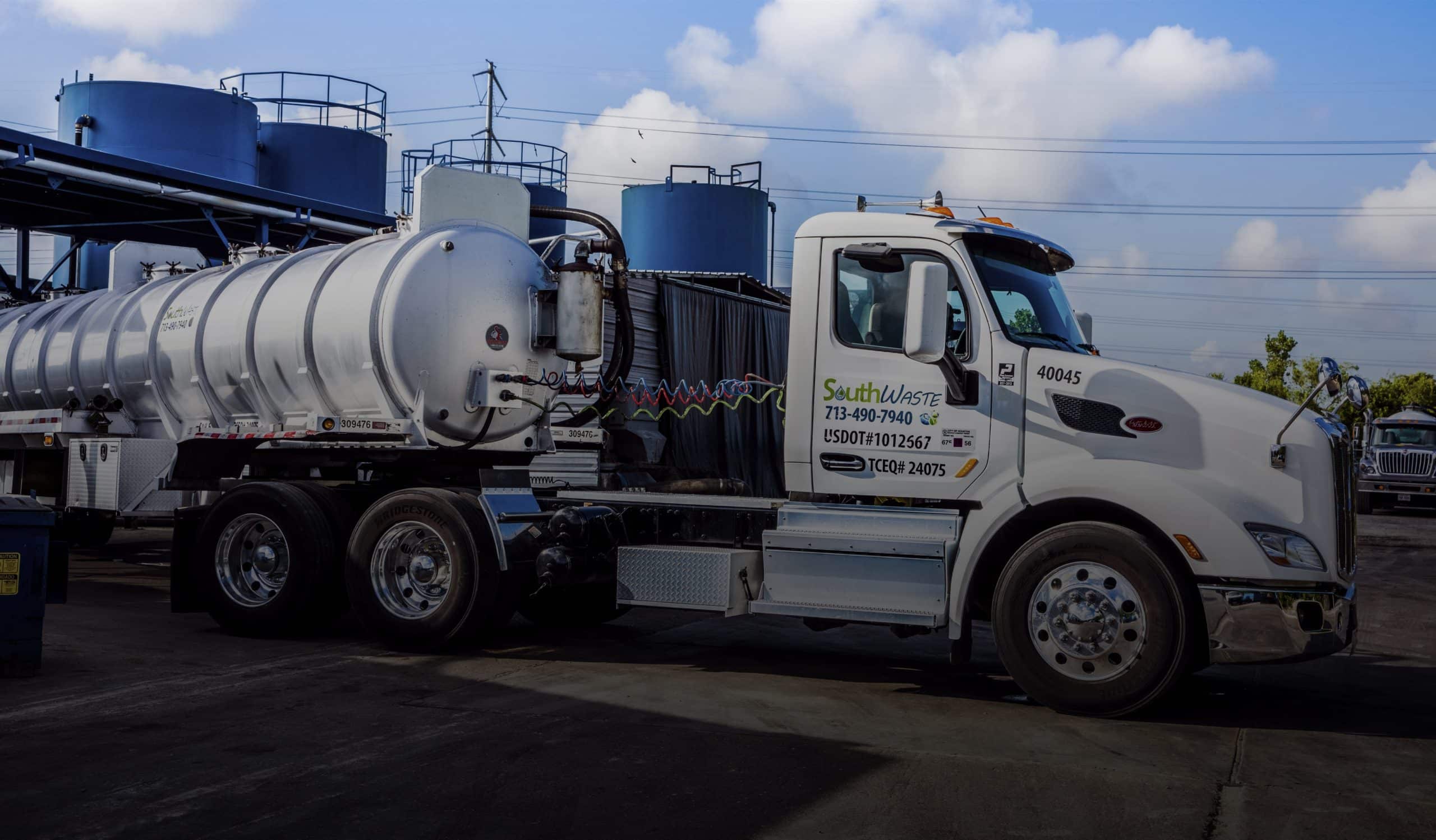
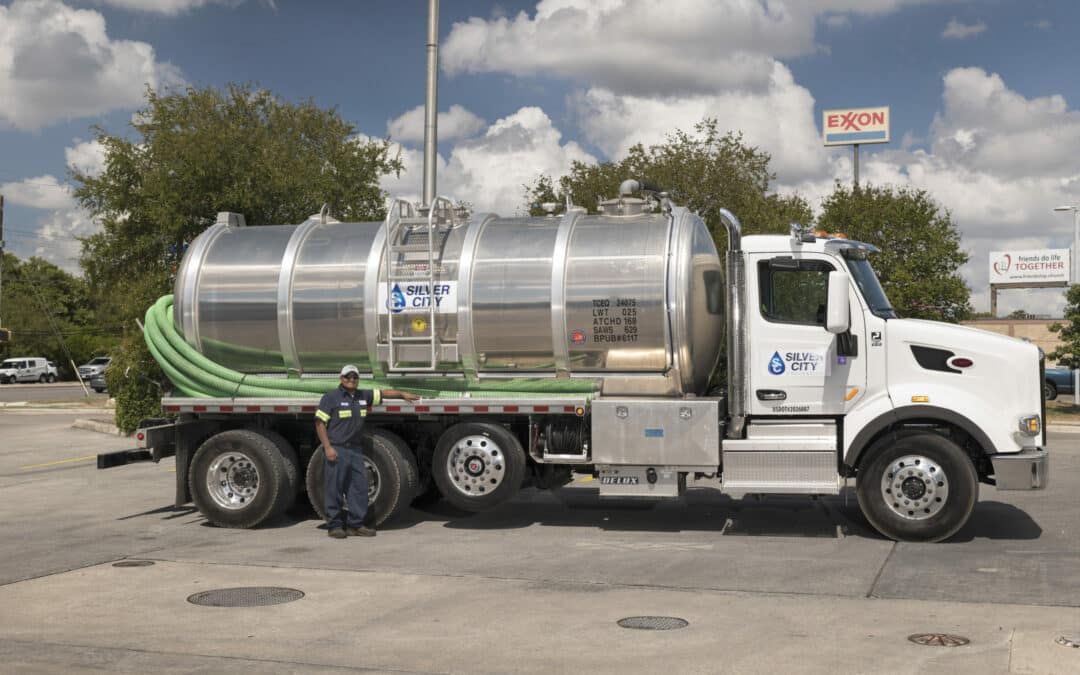
Southwaste specializes in commercial and industrial lift station cleaning and maintenance. Our trained, confined-space–certified teams use high-vacuum trucks and hydro jetting to remove grease, wipes, and grit, restore capacity, and protect pumps. We pair wet-well cleaning with CCTV inspections, valve exercises, and sensor calibration to catch problems early. You get clear, regulator-friendly documentation, trend reports that guide decisions, and preventive maintenance programs tailored to your sites—backed by 24/7 emergency response when storms or surges hit. One provider, one schedule, consistent results.
Ready to reduce risk and improve uptime? Contact Southwaste Disposal to schedule a lift station assessment or set up a preventive maintenance plan for reliable, compliant operations. We serve commercial and industrial facilities.