Running a commercial kitchen in Orlando means operating in one of the country’s most demanding food service environments. Between the relentless pace of International Drive, the resort dining corridors near Disney and Universal, the catering volume at the Orange County Convention Center, and the vacation-community clubhouses throughout Kissimmee, Central Florida kitchens produce fats, oils, and grease (FOG) at a pace that can overwhelm even a well-maintained grease trap quickly.
For restaurant owners and food service managers, staying on top of grease trap cleaning is not optional. It is a compliance requirement tied to Florida state law, Orange County environmental health standards, and health inspection protocols enforced by the Florida Department of Business and Professional Regulation (DBPR). Understanding what those rules actually require — and how to meet them before an inspector shows up — is the foundation of running a clean, compliant kitchen.
This guide walks you through what you are legally required to do, how often you need to do it, what happens if you fall behind, and what to look for when selecting a service provider.
Why Orlando Kitchens Face Above-Average Compliance Pressure
Orange County welcomes approximately 75 million visitors per year. That volume translates directly into kitchen output: more covers per service, longer operating hours, and higher FOG loads flowing into grease traps and interceptors daily. Regulatory agencies in the area are well aware of this, and compliance scrutiny reflects it.
The hospitality corridor along International Drive alone represents some of the highest-volume kitchen operations in the state. Large hotel properties with multiple dining outlets, resort buffets operating around the clock, and convention center catering operations running simultaneous events can push FOG accumulation in commercial interceptors to critical levels within weeks, not months.
Understanding your cleaning obligations before regulators flag a violation is the only sensible approach.
What Florida and Orange County Require
Florida DEP Liquid Waste Hauler Rules
The Florida Department of Environmental Protection (DEP) regulates who is permitted to haul waste from grease traps and interceptors. Under Florida’s liquid waste hauler program, only DEP-permitted contractors may pump and transport grease trap waste. This means the company you hire must hold an active Florida DEP permit — not just a business license. If a company cannot produce proof of DEP permitting, they are not legally authorized to service your trap, and using them can expose your business to liability.
The 25% FOG Rule
Florida environmental guidelines establish a practical threshold for when grease traps must be serviced: pumping is required before FOG accumulation reaches 25% of the trap’s total liquid capacity. This is not a suggestion — it is the operational standard used by inspectors and regulators to assess whether a trap is being adequately maintained. Waiting until a trap is nearly full before scheduling service is a compliance failure, not a maintenance strategy.
Orange County Environmental Health and DBPR Standards
At the local level, Orange County Environmental Health enforces grease trap maintenance requirements as part of commercial kitchen permitting and inspection processes. The Florida DBPR’s Division of Hotels and Restaurants also reviews grease management practices during routine inspections of licensed food service establishments. Violations tied to grease trap neglect can result in citations, re-inspection fees, and in serious cases, temporary closure orders.
For most commercial kitchens in the Orlando area, regulators and industry standards point to a cleaning frequency of every 30 to 60 days. High-volume operations — resort kitchens, large banquet facilities, and convention center catering — may require more frequent service.
For help navigating compliance requirements specific to your location and operation size, our Orlando grease trap service team can assess your setup and recommend an appropriate service schedule.

Grease Trap vs. Grease Interceptor: What Is the Difference?
These terms are sometimes used interchangeably, but they refer to different types of equipment with different installation requirements.
A grease trap is a smaller, passive device typically installed inside or just outside a kitchen, close to the drain source. It is designed for lower-volume operations and requires more frequent cleaning — often every 30 days or less — because its capacity fills quickly.
A grease interceptor is a larger, in-ground unit installed outside the building, generally serving higher-volume or multi-outlet operations. Interceptors hold significantly more capacity, but they are still subject to the 25% FOG rule and require regular pumping by a DEP-permitted hauler.
Understanding which type of device your kitchen uses matters for budgeting service frequency and for accurately reporting maintenance records to regulators.
Signs Your Grease Trap Needs Cleaning Now
Compliance schedules aside, your kitchen will often tell you when service is overdue. Watch for:
- Slow-draining sinks, particularly near cooking stations or the dishwashing area
- Foul or sulfur-like odors coming from floor drains or sink areas
Visible grease or solids backing up into drain lines - An unusually strong smell coming from the trap itself during visual inspection
- Grease appearing in the wrong places — near cleanouts, in floor drains downstream from the trap
Any of these signs indicates that service should be scheduled immediately, regardless of when the last cleaning occurred.
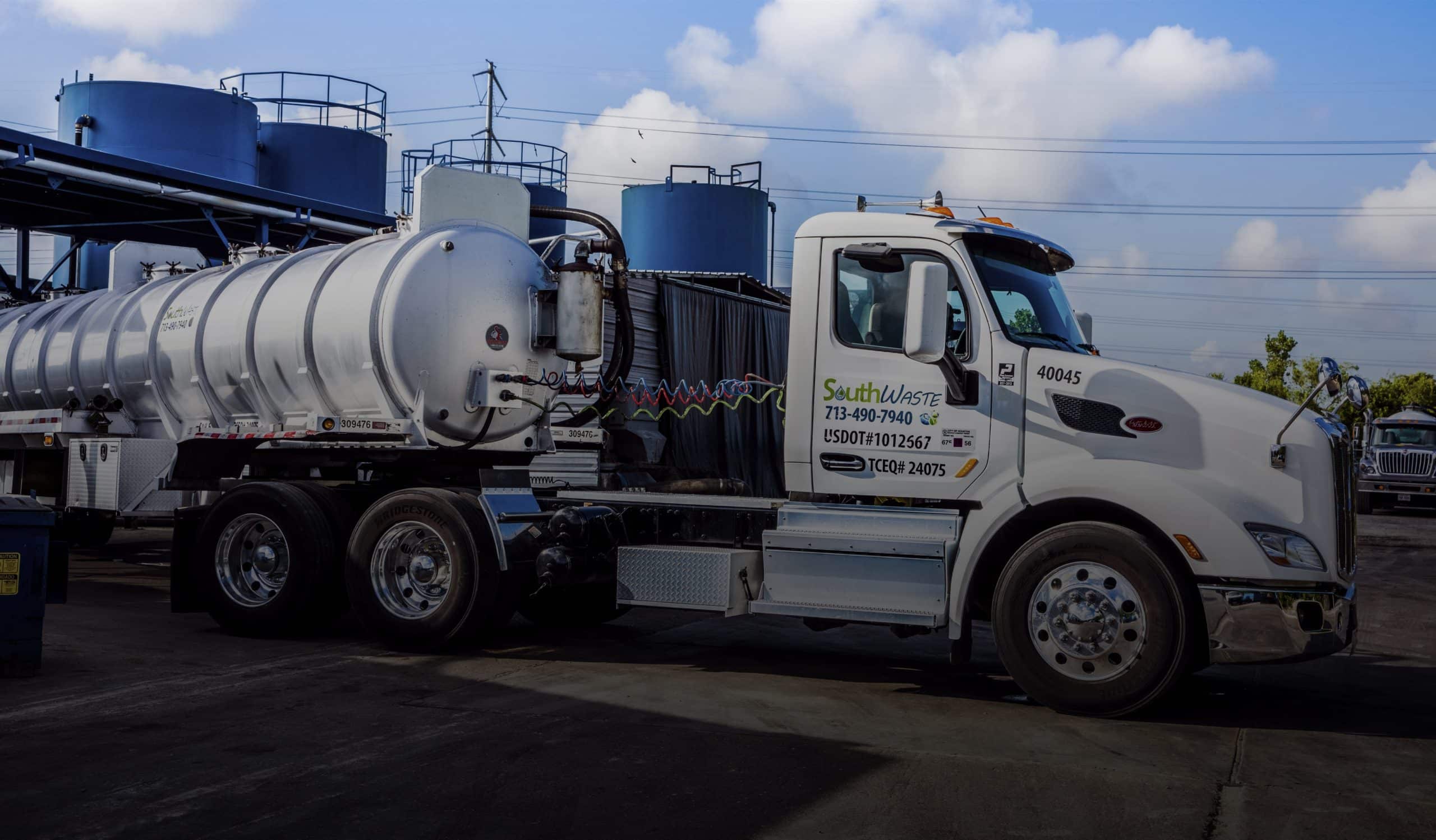
Staying compliant with Orange County’s grease trap requirements doesn’t have to be complicated. Southwaste Disposal is Florida DEP-permitted and serves restaurants, hotels, resorts, and food service operations across the greater Orlando area. Learn about our Orlando grease trap service and how we can help you build a maintenance schedule that keeps inspectors satisfied.
Choosing the Right Grease Trap Service Provider in Orlando
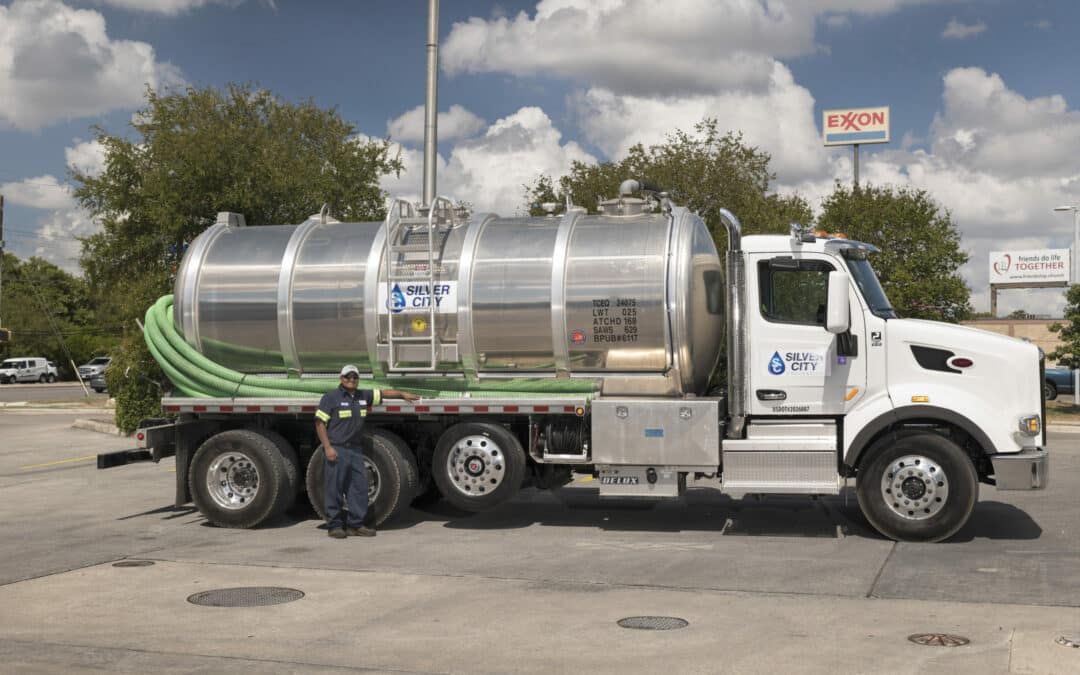
Not every company offering grease trap cleaning in the Central Florida area is authorized to do it under Florida law. Before hiring any provider, confirm the following:
- Florida DEP liquid waste hauler permit — ask for the permit number and verify it is current
- Proper waste disposal documentation — manifests should document where waste is being transported and disposed of; this protects you in the event of a regulatory audit
- Familiarity with local regulations — a provider who understands Orange County’s specific requirements, DBPR inspection standards, and the 25% FOG rule will help you stay ahead of problems, not just respond to them
- Service frequency recommendations — a qualified provider assesses your kitchen’s actual output and recommends a schedule accordingly, rather than applying a generic one-size-fits-all interval
Working with a permitted, experienced, licensed grease trap provider in Orlando means you have documentation of compliant service — which matters when an inspector arrives.
Frequently Asked Questions About Grease Trap Cleaning in Orlando
How often do Orlando restaurants need to clean their grease traps?
For most commercial kitchens in Orlando, regulators and industry standards recommend cleaning every 30 to 60 days. High-volume operations such as resort kitchens, hotel dining facilities, and convention center catering may require more frequent service. Florida’s 25% FOG rule establishes that pumping must occur before fats, oils, and grease reach 25% of the trap’s total capacity — regardless of calendar schedule.
What are the Florida DEP grease trap regulations for restaurants?
Florida’s Department of Environmental Protection requires that grease trap and interceptor waste be pumped and transported only by DEP-permitted liquid waste haulers. Additionally, the state’s 25% FOG rule mandates that traps be serviced before FOG accumulation reaches one-quarter of the unit’s liquid capacity. Restaurants must maintain service records as documentation of compliance.
What happens if a restaurant in Orlando fails a grease trap inspection?
A failed grease trap inspection from Orange County Environmental Health or the Florida DBPR can result in a written citation, a mandatory re-inspection, and associated fees. Repeat violations or severe grease system failures — such as a blocked line that causes a sewer backup — can escalate to temporary suspension of food service operations. In some cases, violations become part of the establishment’s public inspection record.
How much does grease trap cleaning cost in Orlando?
Grease trap cleaning costs in the Orlando area vary based on trap size, accessibility, service frequency, and the volume of waste removed. Smaller in-kitchen traps typically cost less per service than large in-ground interceptors. Many operators find that scheduling regular maintenance on a fixed interval is more cost-effective than emergency service calls or the fines associated with failed inspections. For a site-specific estimate, contact a DEP-permitted provider directly.
Can I clean my grease trap myself or do I need a licensed hauler?
Florida law requires that grease trap and interceptor waste be removed and transported by a Florida DEP-permitted liquid waste hauler. Attempting to clean or self-dispose of grease trap waste outside of permitted channels is a regulatory violation that can result in fines and environmental penalties. Hiring a permitted contractor is both a legal requirement and the only compliant way to document your maintenance history.
What is the difference between a grease trap and a grease interceptor?
A grease trap is a smaller, passive unit typically installed inside or directly adjacent to a commercial kitchen. It captures FOG close to the source but fills quickly and requires frequent service. A grease interceptor is a larger, in-ground unit designed for higher-volume operations. It holds more capacity but must still be serviced before FOG reaches 25% of its capacity under Florida’s regulations. Both require service by a DEP-permitted hauler.
Ready to Stay Ahead of Your Next Inspection?
If you operate a restaurant, hotel kitchen, resort dining outlet, or any commercial food service establishment in the Orlando area, grease trap maintenance is a compliance item you cannot afford to defer. Orange County’s regulatory environment, combined with the hospitality volume that defines Central Florida’s market, means that kitchens here are held to a consistently high standard.
Southwaste’s Orlando grease trap cleaning service is built for exactly this environment. We are Florida DEP-permitted, we document every service with proper waste manifests, and we work with food service operators across Central Florida to establish maintenance schedules that keep them compliant, inspection-ready, and out of trouble. Contact us to schedule service or discuss your operation’s specific needs.
Written by the Southwaste Disposal team — Florida DEP-permitted liquid waste haulers serving Central Florida.
Sources consulted: Florida Department of Environmental Protection Liquid Waste Hauler Program; Orange County Environmental Health Division; Florida Department of Business and Professional Regulation Division of Hotels and Restaurants.