A clean grease trap keeps your drains flowing, your kitchen smelling normal, and your business on the right side of the health inspector. If you have a small under-sink grease trap, you may be able to handle routine cleanings in-house between professional service visits. If you have a large in-ground grease interceptor, you cannot, and you should not try.
This guide walks through how to clean a grease trap step by step, what you need, how often to do it, and when the job belongs to a licensed professional.
First: Check What Kind of Grease Trap You Have
Before you lift a lid, figure out which equipment you are dealing with:
- Small indoor grease trap: a box under or beside a sink, usually holding a few gallons up to roughly 100 gallons. Trained staff can sometimes do routine cleanings.
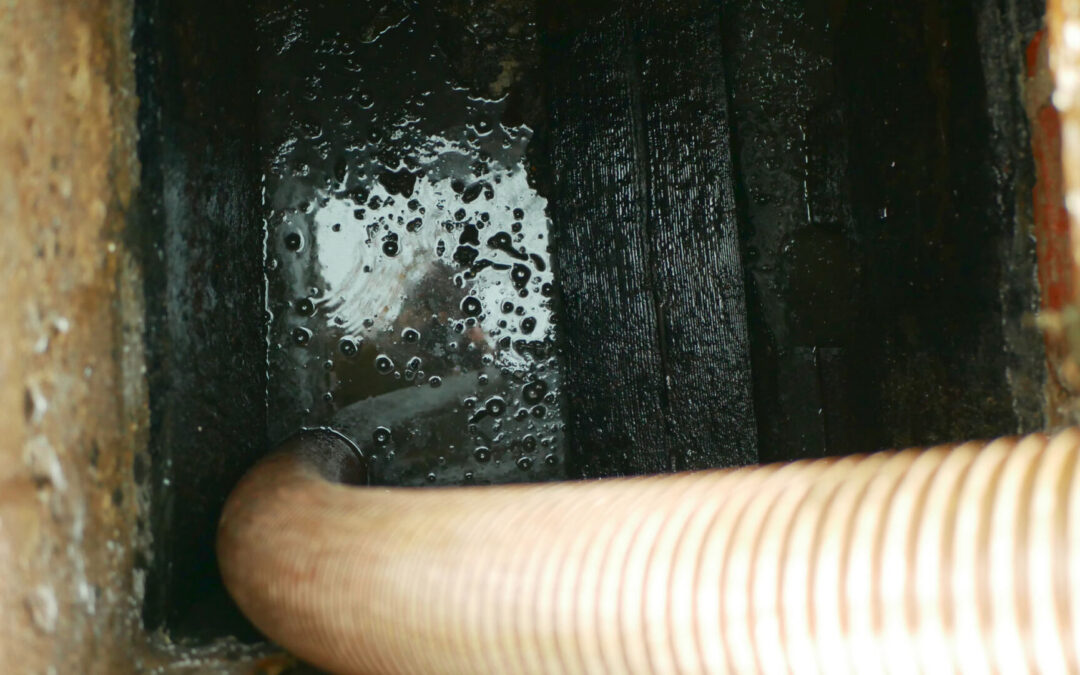
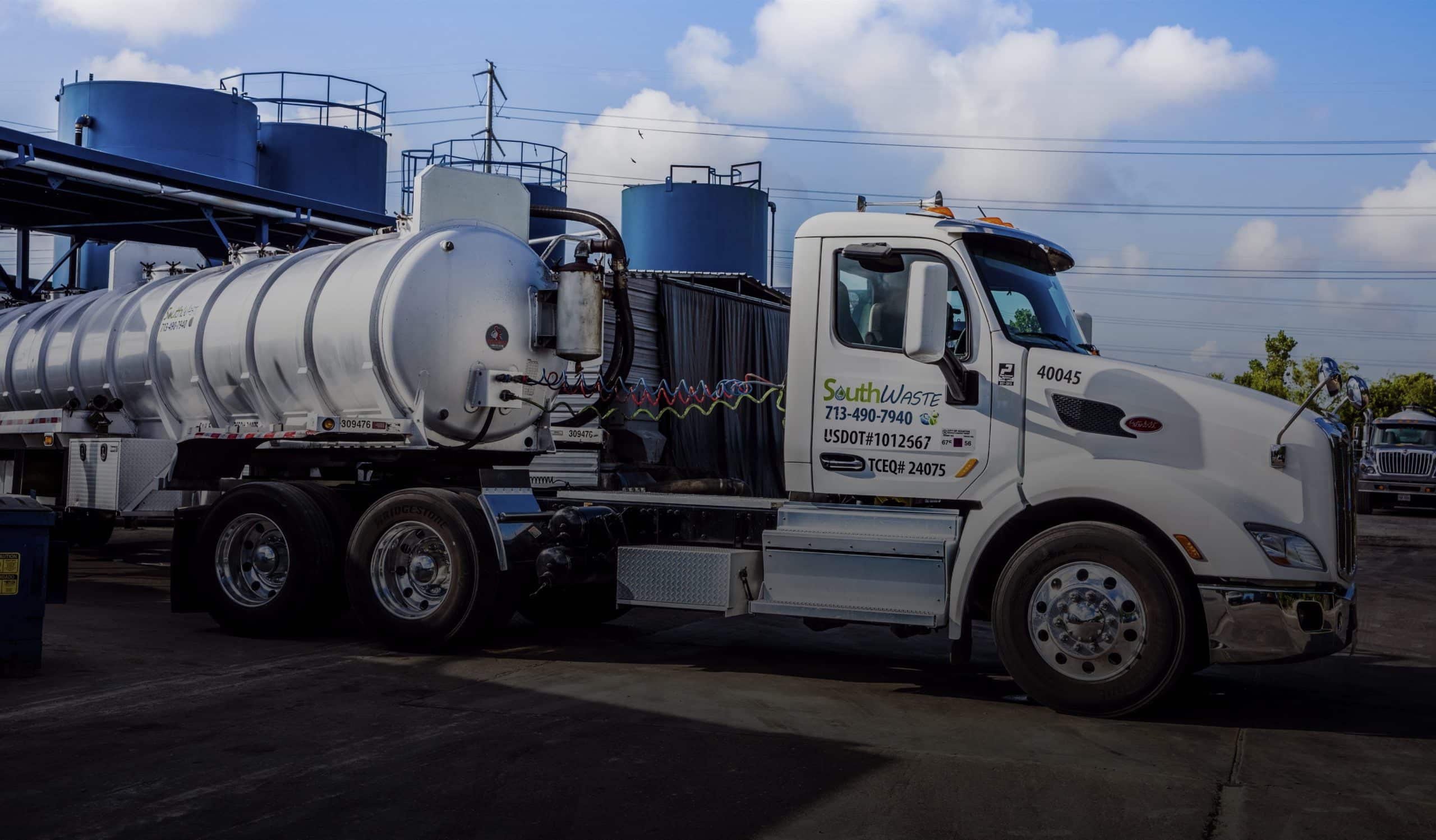
- Large outdoor grease interceptor: an underground tank with manhole-style lids in the parking lot or alley, often holding hundreds or thousands of gallons. This must be pumped with a vacuum truck by a licensed hauler.
Not sure which you have? Our guide to grease traps vs. grease interceptors explains the difference.
Check Your Local Rules Before You DIY
Many cities and wastewater utilities regulate who can clean a grease trap and where the waste goes. Some require a licensed hauler for every cleaning, a waste manifest for every pump-out, and on-site records for inspectors. In most places, it is illegal to pour trap waste into a sewer, storm drain, or regular dumpster. Check with your local wastewater program before you make in-house cleaning part of your routine.
What You Need
- Heavy-duty rubber gloves, eye protection and an apron
- A pry bar or wrench to remove the lid
- A wooden stick or ruler to measure the grease layer
- A small bucket or scoop and a wet/dry vac rated for liquids
- Heavy-duty, sealable containers or bags for the waste
- A plastic scraper and a stiff brush
- Dish soap and warm (not boiling) water
- A maintenance log
How to Clean a Small Grease Trap, Step by Step
- Wait for the kitchen to cool down. Clean after service, when the trap has had time to cool and the grease has solidified on top. Turn off any water running to the connected fixtures.
- Remove the lid carefully. Pry it off slowly so you do not damage the gasket. Note how the baffles and parts sit so you can put everything back the same way.
- Measure the grease and solids. Push a stick or ruler to the bottom and pull it out. Record how thick the grease layer and the solids layer are in your log. This tells you whether your cleaning schedule is right.
- Remove the floating grease. Scoop the solidified FOG off the top and put it in a sealed waste container.
- Remove the water and solids. Use the wet/dry vac or a bucket to remove the remaining water, then scoop out the settled food solids from the bottom.
- Scrub the interior. Scrape the walls, lid, and baffles, then scrub them with soap and warm water. Flush the inlet and outlet carefully to clear any buildup.
- Inspect the parts. Look for cracked baffles, worn gaskets, corrosion, or a loose outlet tee. Damaged parts let grease escape even when the trap is clean.
- Reassemble and refill. Put the baffles and lid back exactly as they were and run cold water to refill the trap so it is ready to work.
- Dispose of the waste properly. Hand the sealed containers off to a licensed grease waste hauler or a permitted recycling program. Never pour it down a drain.
- Log the cleaning. Record the date, the measurements, and who did the work. Inspectors may ask for these records.
How Often Should You Clean a Grease Trap?
A widely used guideline is the 25% rule: clean or pump the trap before grease and solids fill 25% of its depth. For a small indoor trap in a busy kitchen, that can mean every week or two. Lighter kitchens may go a month or more. Large interceptors are usually pumped monthly to quarterly.
Your own measurements are the best guide. If the trap is past 25% every time you open it, clean more often. Our covers-per-week guide can help you estimate a schedule.
Common Grease Trap Cleaning Mistakes
- Using hot water or chemicals to "melt" grease: this pushes FOG down the line, where it hardens again and clogs the sewer.
- Relying on enzymes or bacteria additives instead of pumping: they may help with odors but do not remove the grease.
- Skipping the solids layer: settled food waste takes up capacity just like grease.
- Putting parts back wrong: a missing or misplaced baffle lets grease flow straight through.
- Throwing trap waste in the dumpster: in many places, this is not allowed and can lead to fines.
More habits to adopt (and avoid) are in our do's and don'ts of grease trap maintenance.
When to Call a Professional
Call a licensed grease trap service when:
- You have an outdoor in-ground interceptor
- Your city requires a licensed hauler or manifests
- The trap is overflowing, backing up or causing odors you cannot clear
- Drains stay slow even right after cleaning
- You find cracked baffles, a damaged lid or a failing outlet
- You want consistent, documented service without tying up kitchen staff
If the trap keeps causing problems after cleaning, it may need repair. See 5 signs your grease trap needs more than just pumping.
Frequently Asked Questions
Can I clean my own grease trap?
For a small indoor trap, often yes, as long as your local rules allow it and you dispose of the waste properly. Large outdoor interceptors must be pumped by a licensed hauler with a vacuum truck.
What should I do with grease trap waste?
Seal it and send it to a licensed grease waste hauler or permitted facility. Do not pour it into a drain, storm drain, or regular trash.
Why does my grease trap smell even after cleaning?
Lingering odors usually point to grease left on the walls or baffles, a damaged gasket or lid seal, or buildup in the lines downstream. A professional cleaning and inspection can find the source.
How long does a professional grease trap cleaning take?
Most routine cleanings of small traps take well under an hour. Large interceptors take longer depending on size, how full they are, and access to the tank.
Let Southwaste Handle It
Southwaste has been cleaning commercial grease traps since 1948. Our licensed grease trap professionals are available 24/7, and we leave compliance paperwork after every visit, so you have the records your city expects. Explore our grease trap cleaning service, find your local service area, or request a free quote today.